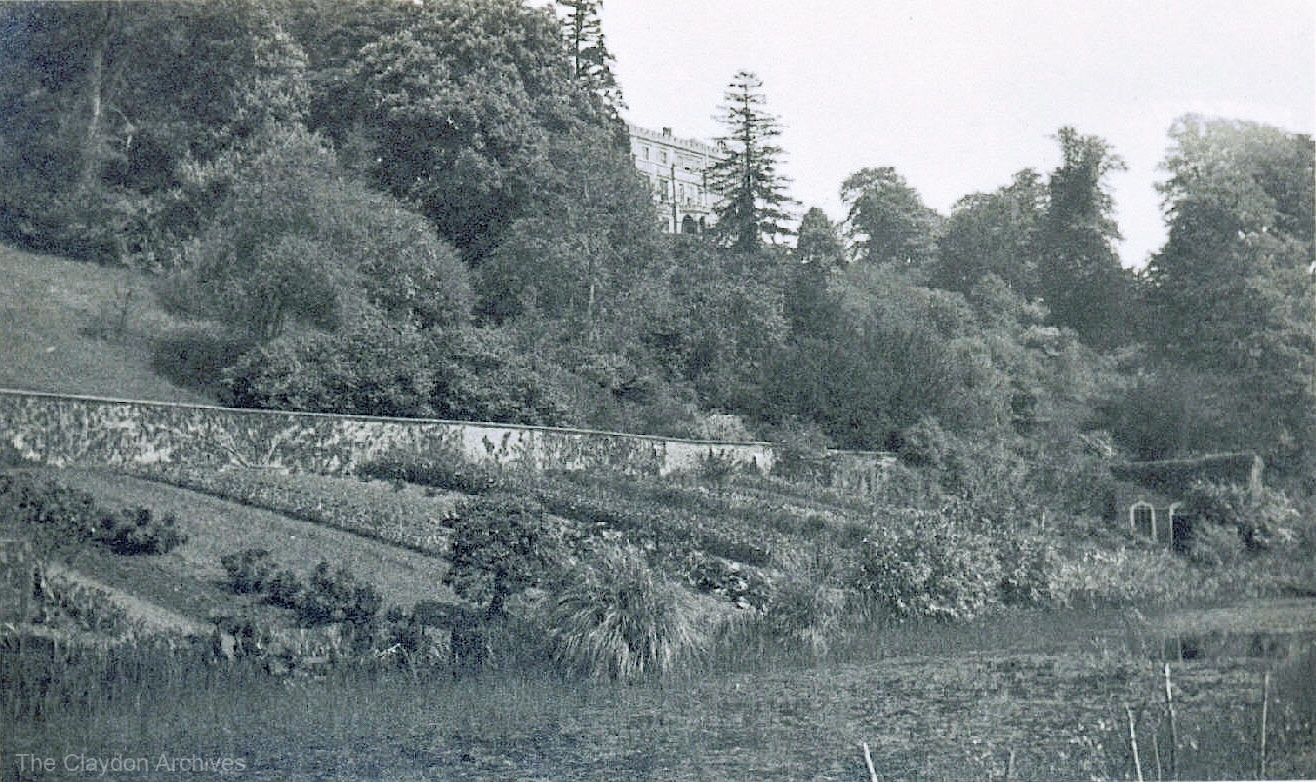
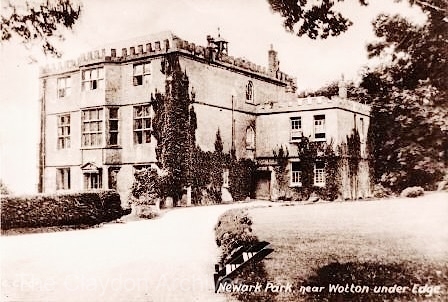
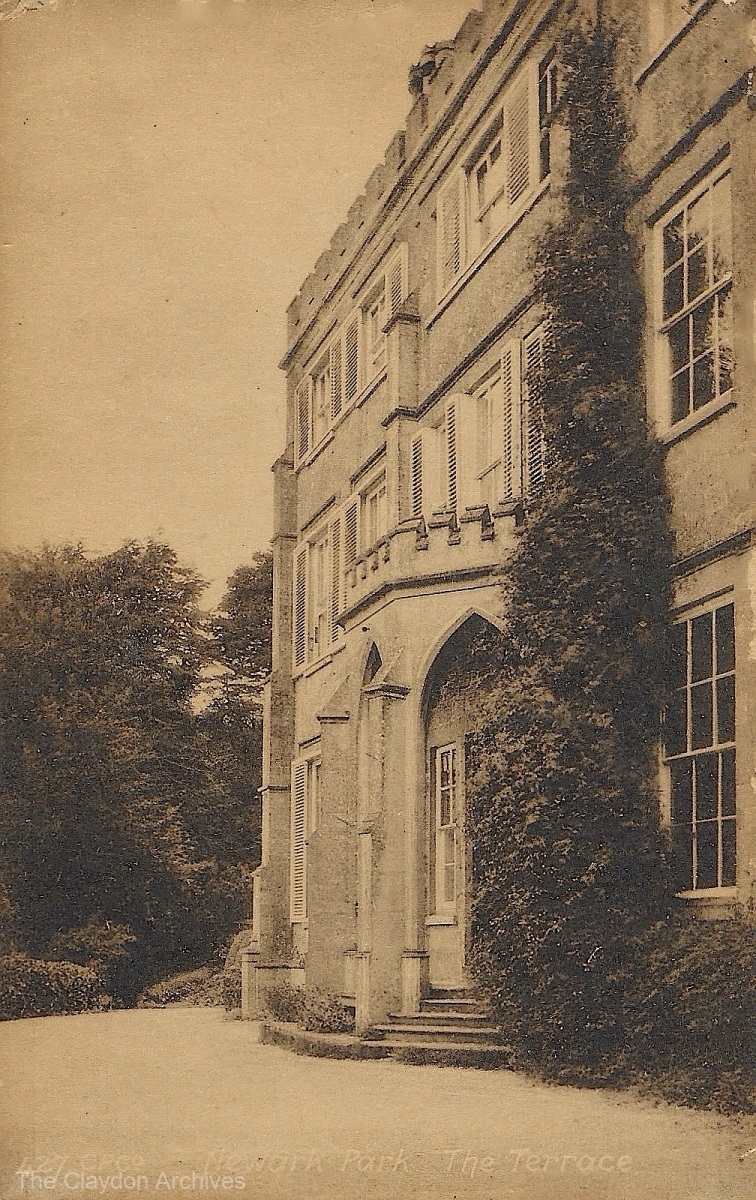
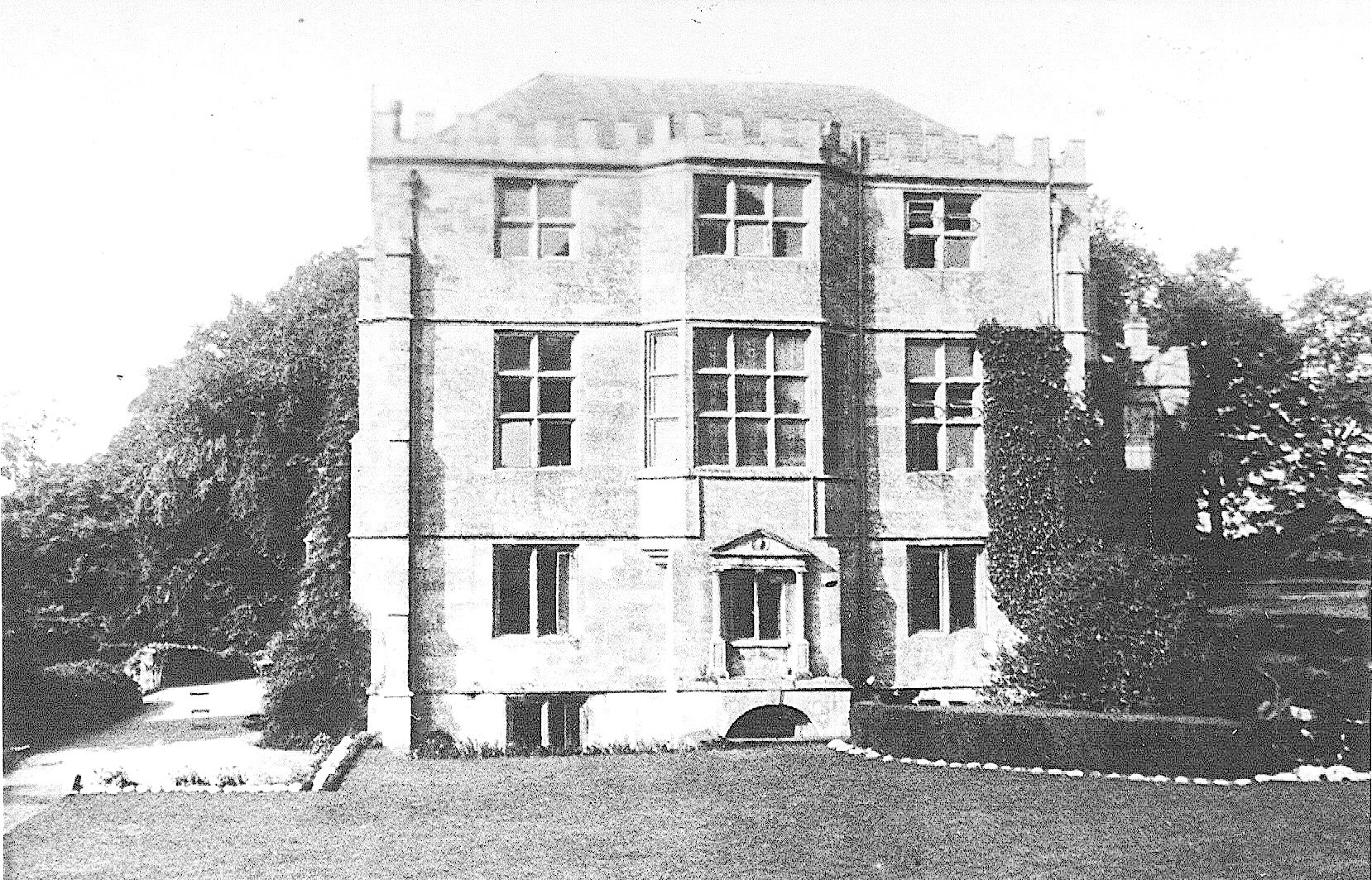
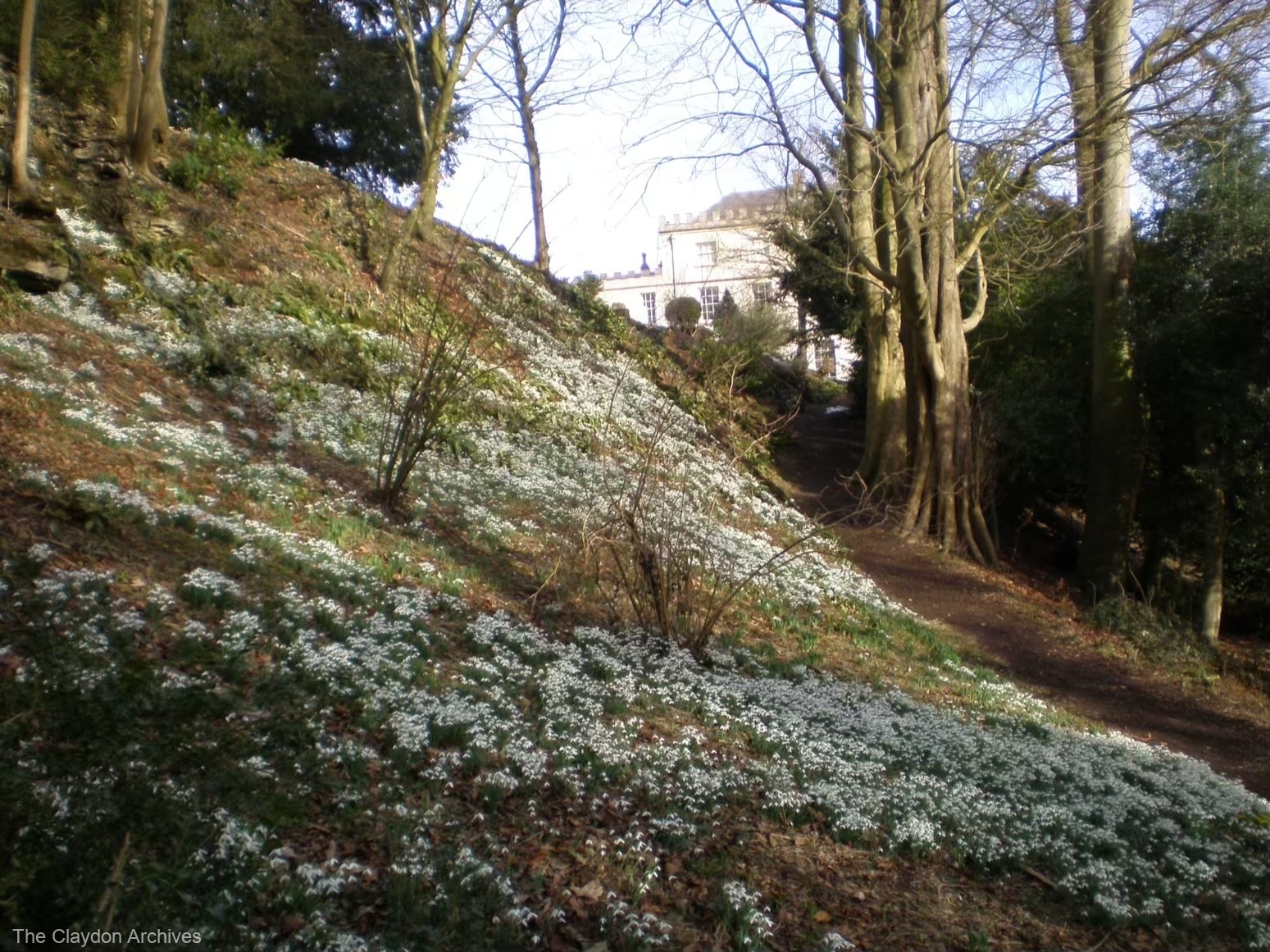
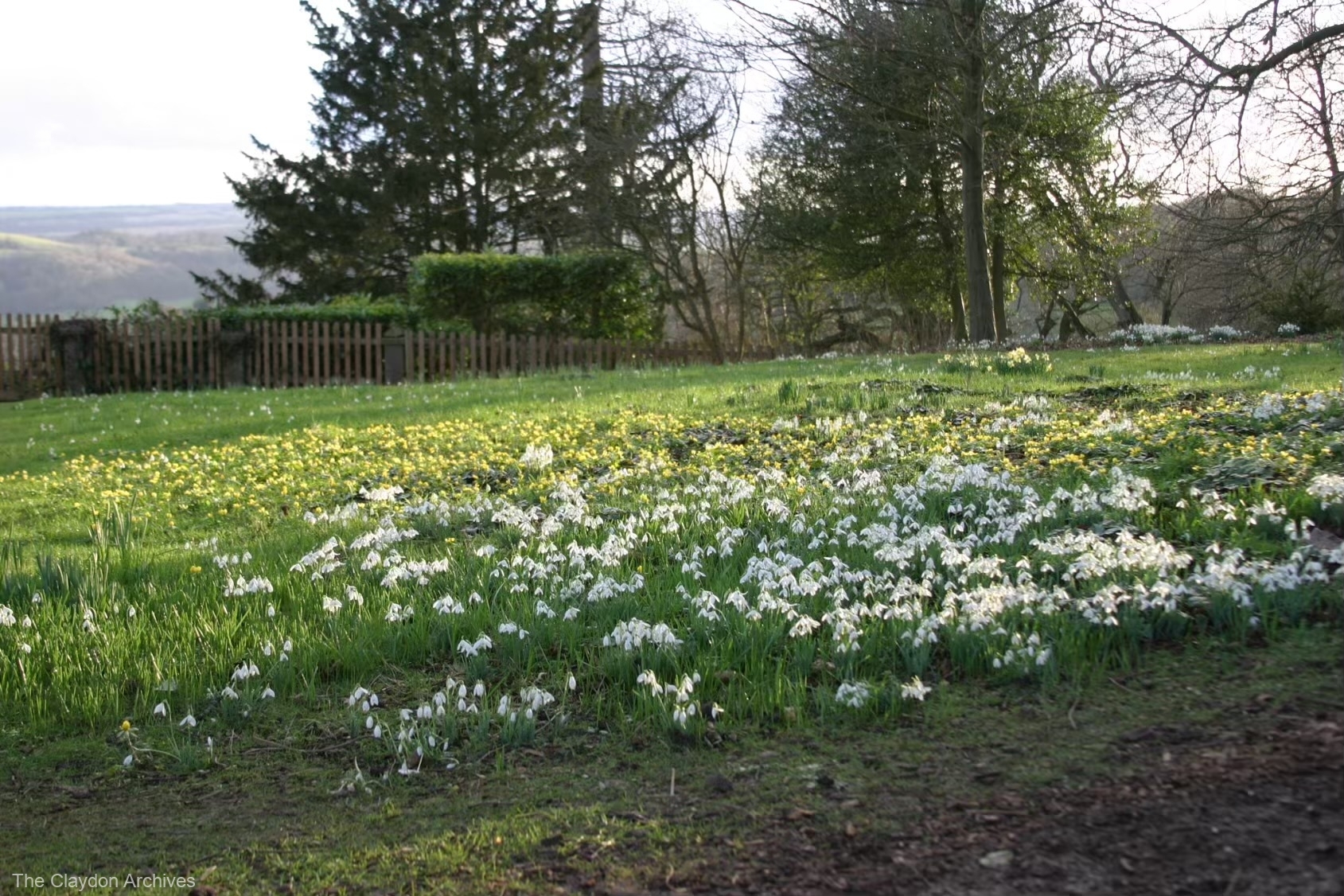
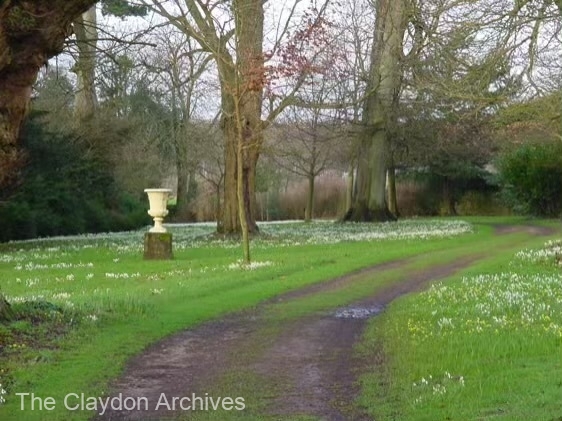
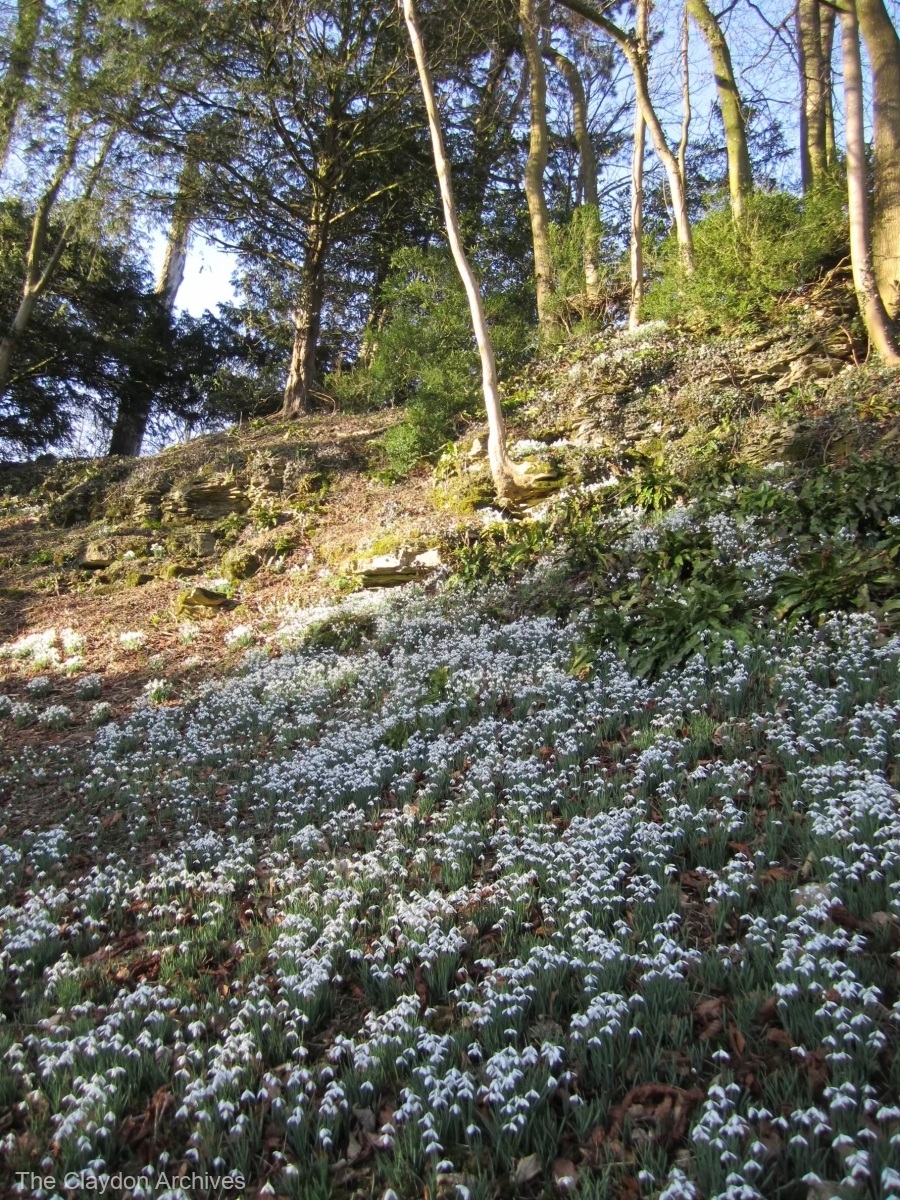
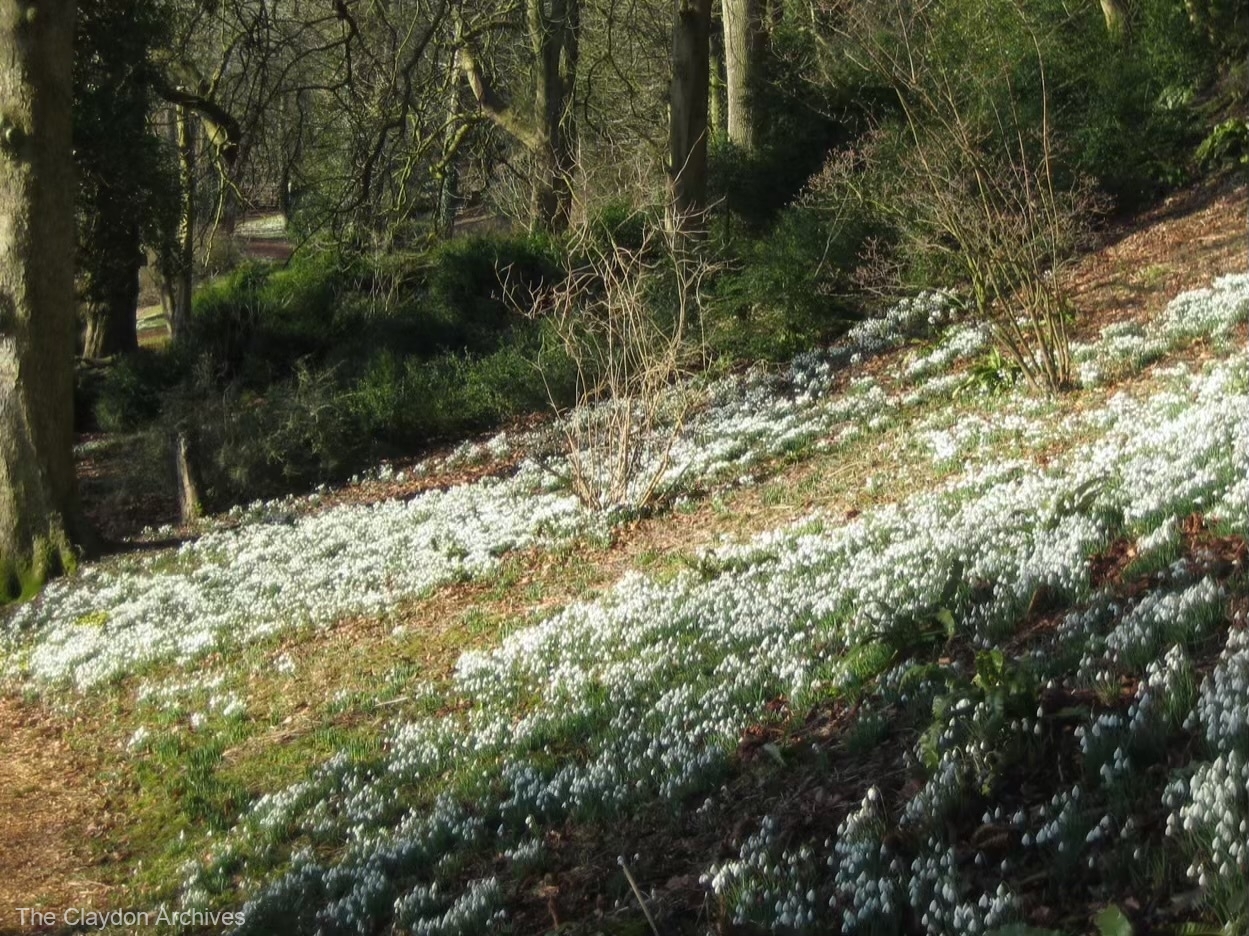
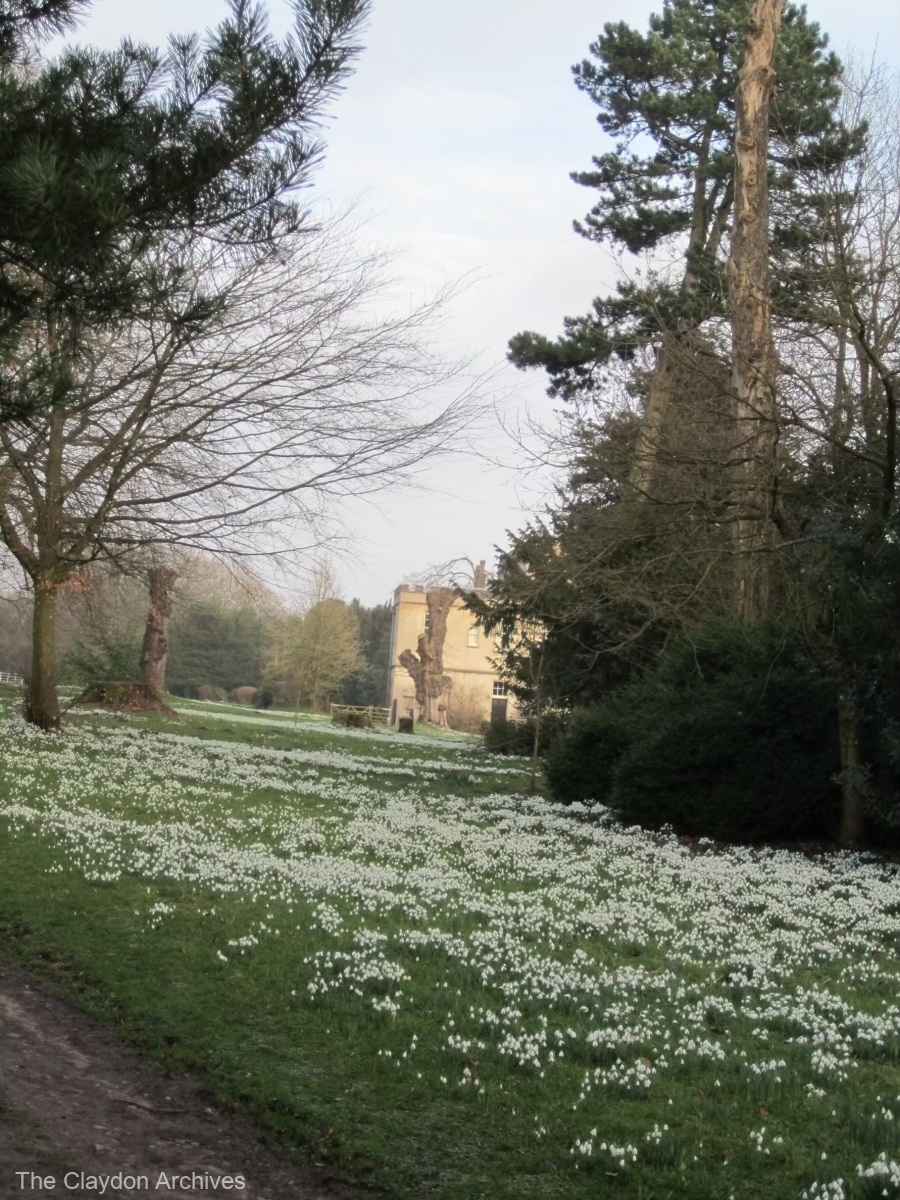
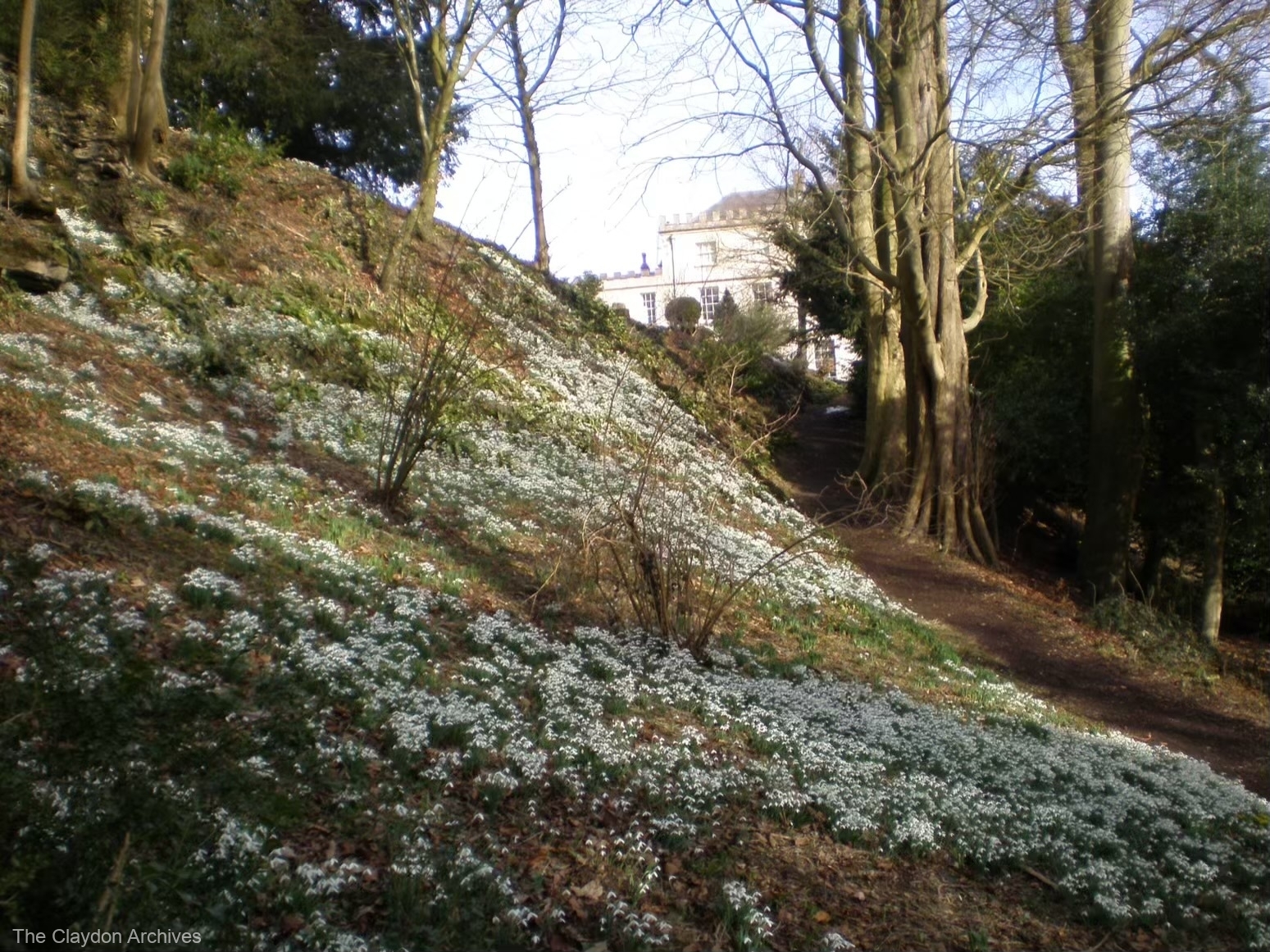
Originally built as a hunting lodge and subsequently altered into a comfortable home, the house and garden fell into neglect in the middle decades of the 20th century. It was rescued over three decades by Texan Robert Parsons who made Newark Park his home. The property belongs to The National Trust.
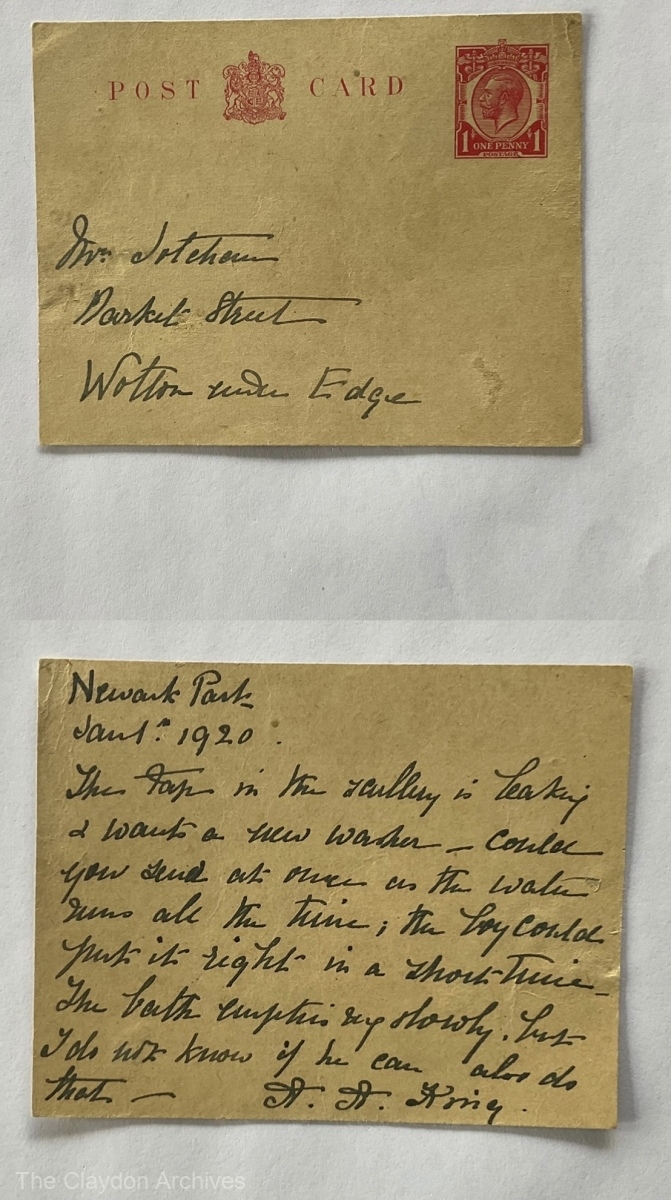
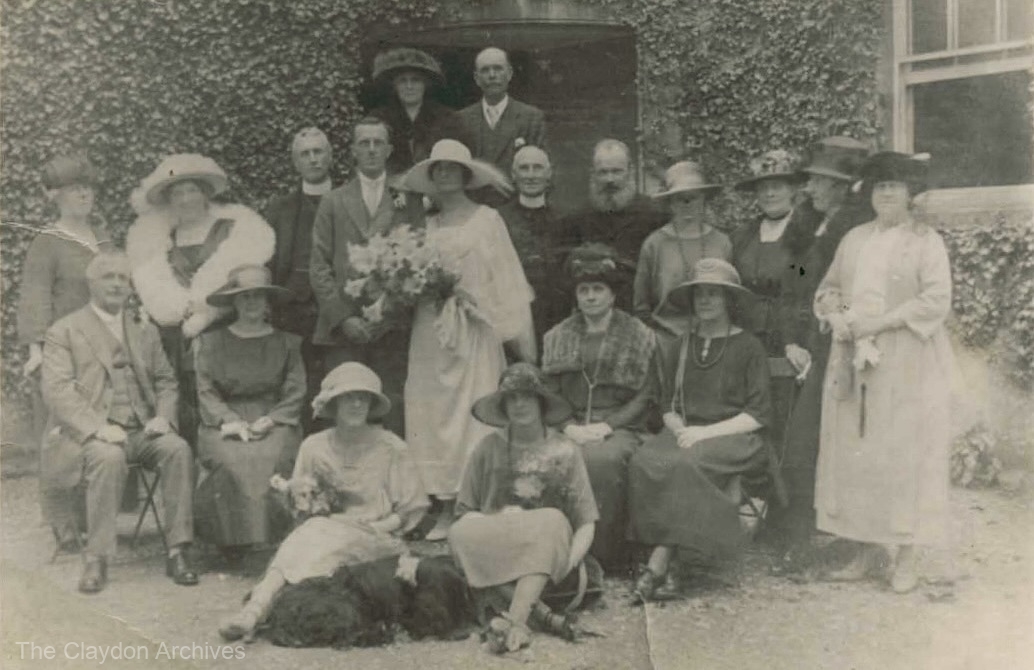
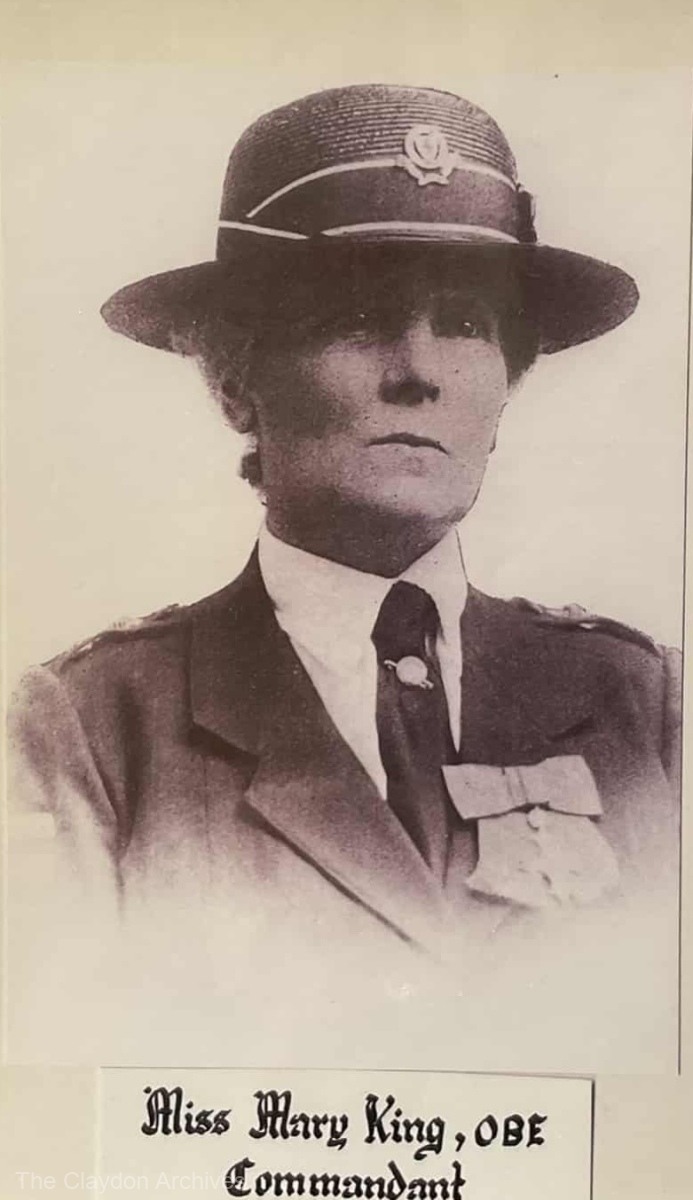
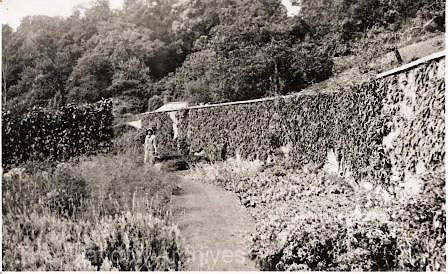
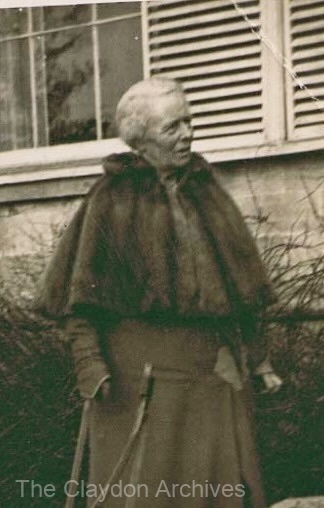
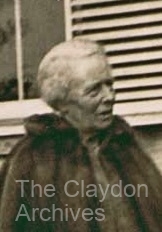
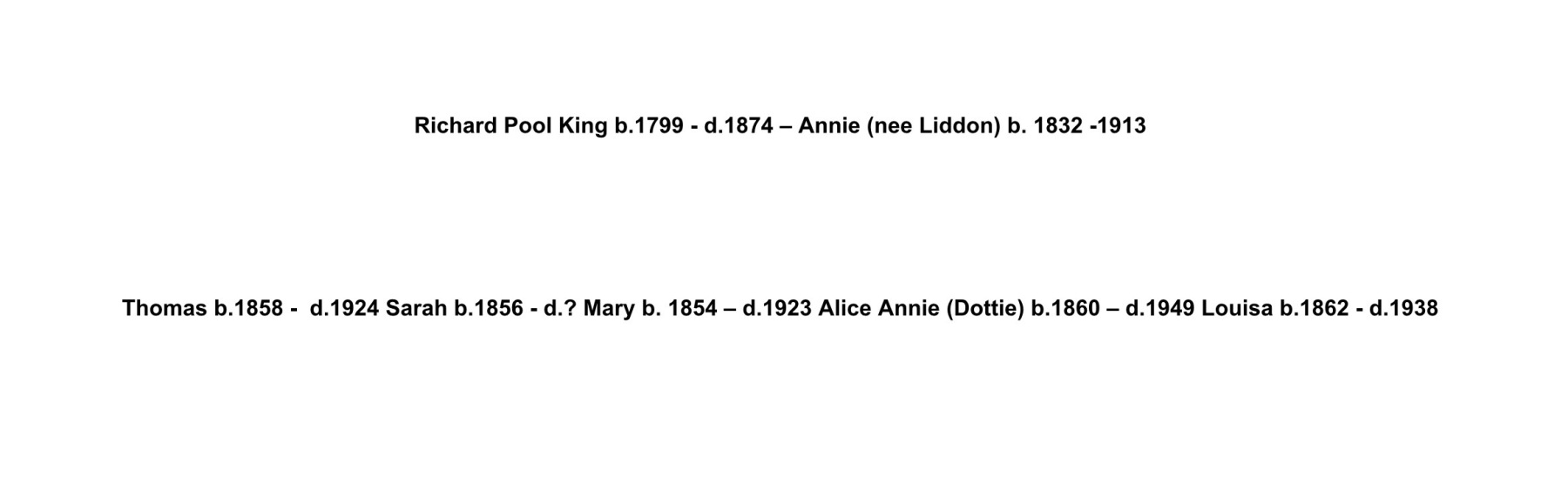
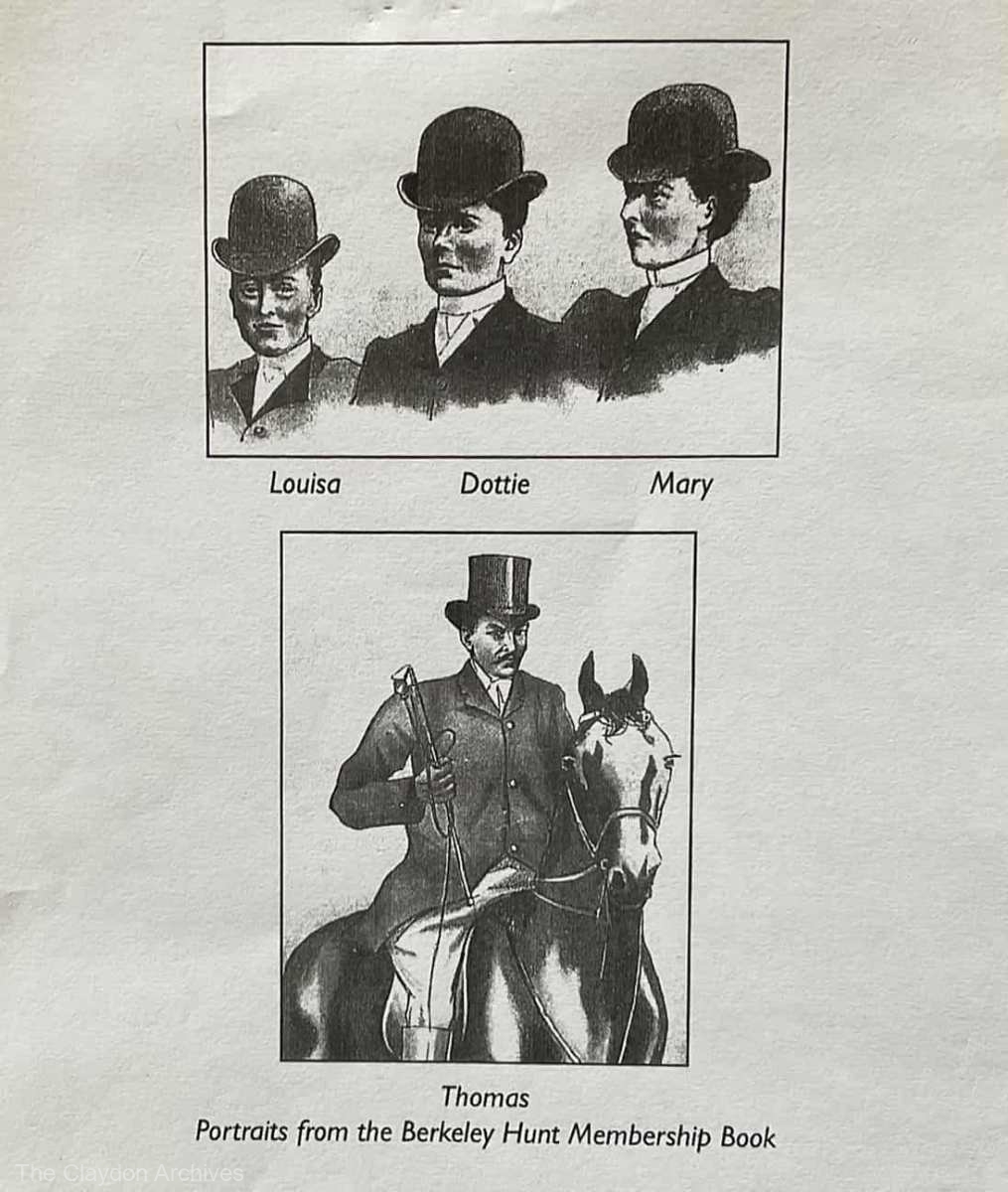
The King Family and Newark Park In late 1896, Annie King, a widow since 1874, began renting Newark Park in Gloucestershire from Mrs Clutterbuck. Annie’s late husband, Richard Pool King, had been a prominent shipping merchant in Bristol, partnering with his brother William King in the firm R & W King Limited. Both brothers were deeply involved in Bristol’s civic life, serving on the Town Council and as past masters of the Bristol Merchant Venturers' Society. Their legacy is commemorated by Kings Road, near the former site of their home, Kensington House in Brislington. Annie and Richard had five children: one son and four daughters. Their son, Thomas Pool King, became well known in racing and hunting circles, serving as chairman of Tattersalls and maintaining a large stable of hunters at Newark Park. Among the daughters, Mary King played a pivotal role in establishing Red Cross units in Gloucestershire during the First World War, earning an O.B.E. for her service. She was also a passionate horticulturist, transforming the gardens at Newark Park. Mary passed away in 1923. Of the other daughters, Sarah King was the only one to marry. Alice Annie King, affectionately known as Dottie, and Louisa King remained unmarried. Dottie was the last surviving sibling, passing away at Newark Park in 1949, marking the end of the King family’s association with the estate. In 1950, Mrs Clutterbuck gave Newark Park to the National Trust in memory of her son Edmund Clutterbuck, who died in the First World War.